
皮卡60度刻字刀片是本页A系列PCUT替换刀片,原页面标注刀杆直径1.5 mm、总长23 mm、偏心距0.25 mm、最大材料厚度0.25 mm,包装3支/盒。页面同时列出30°、45°和60°系列选项;本页当前规格为60°。所有材料性能数字均为供应商页面数据,需通过批次资料和试切验证。
文章目录
皮卡60度刻字刀片页面参数
- 当前角度:60°
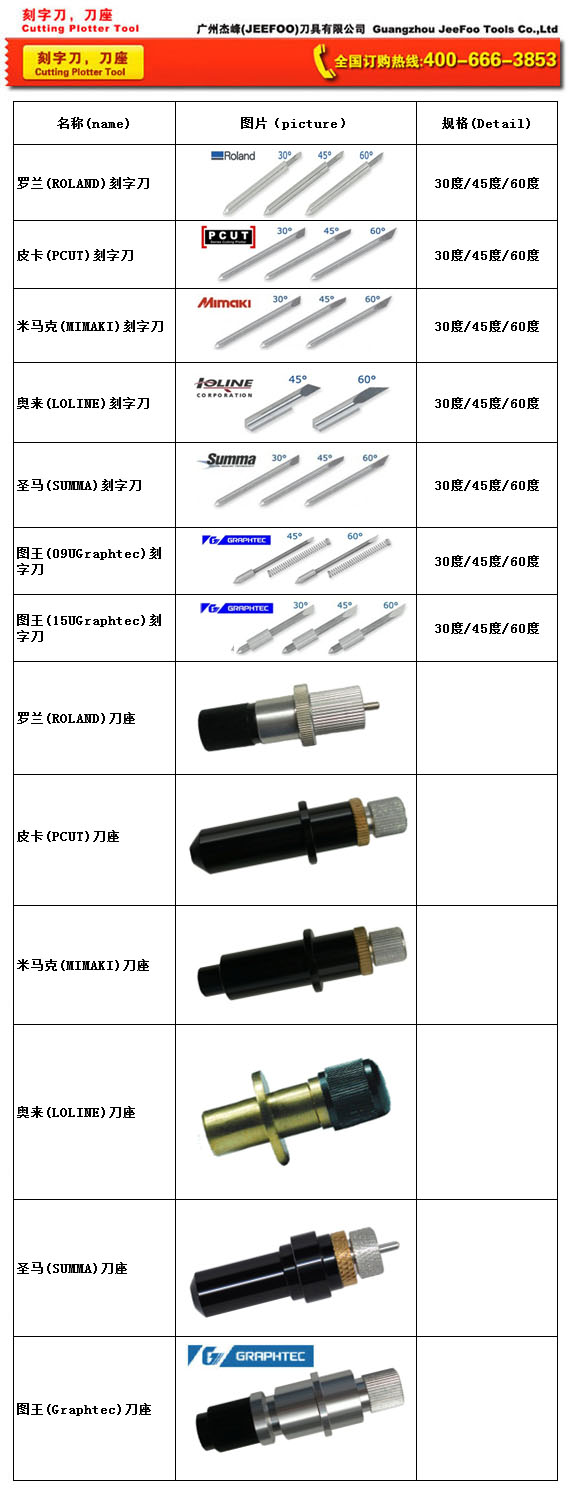
- 系列角度:30°、45°、60°
- 页面标注最大材料厚度:0.25 mm
- 刀杆直径:1.5 mm
- 总长:23 mm
- 偏心距:0.25 mm
- 页面标注成分:89%–90%碳化钨、10%–11%钴
- 页面标注硬度:91.5 HRA
- 页面标注抗断裂强度:4000–4200 N/mm²
- 包装:3支/盒
成分、硬度和强度属于原页面供应商说明,并非独立检测报告。若这些指标影响采购决策,应要求供应商提供实际批次的检验资料。
PCUT设备资料与兼容边界
USCutter提供的PCUT用户手册说明设备操作、刀座安装和测试流程,可作为Creation PCUT设备系列的参考。该手册并不验证本页替换刀片的1.5 mm、23 mm或材料性能,也不能替代具体机型与刀座的尺寸核对。
选购前核对
- 记录PCUT设备完整型号和生产批次。
- 识别刀座结构并测量当前刀片直径、总长与安装深度。
- 查阅对应设备手册的刀片安装和偏移设置。
- 确认材料厚度、硬度、膜层、胶黏剂和图形细节。
- 尺寸或刀座不明确时,先测试样品。
更多相关规格可查看皮卡刻字刀系列。同系列页面只能用于比较,不能证明所有PCUT设备通用。
安装与试切
关闭设备,清洁刀座并检查刀尖。刀片伸出量以刚好切穿面材、尽量不伤底纸为原则。使用包含小字、圆形、方形和尖角的测试图,从保守刀压和速度开始,一次只调整伸出量、刀压、速度或偏移中的一个项目。记录切口、转角、排废和底纸压痕。
常见问题
60°刀片是否一定适合厚材料?
不能只凭角度下结论。材料结构、刀座、设备刀压范围和偏移设置都会影响结果。本页0.25 mm属于供应商标注值。
皮卡60度刻字刀片是否适合所有PCUT机型?
页面没有给出完整机型清单,因此需要核对设备铭牌、刀座与实物尺寸。
切不断或转角变形怎么办?
检查刀尖磨损、伸出量、材料固定、刀座阻力、刀压、速度和偏移补偿,不要用过高刀压补偿破损刀尖。
PCUT 60-Degree Replacement Blade: English Summary
The product labelled 皮卡60度刻字刀片 on this page is an A-series replacement blade for compatible PCUT cutters. Page-supplied figures state a 1.5 mm shank, 23 mm overall length, 0.25 mm offset and maximum media thickness of 0.25 mm. The listing also states 89–90% tungsten carbide, 10–11% cobalt, 91.5 HRA hardness, flexural strength of 4000–4200 N/mm² and three blades per box. These are seller-provided specifications rather than independent certification.
Reference source and product identity
The PCUT user manual distributed by USCutter explains machine setup and operation for the equipment family. It is useful for confirming that the exact cutter model, holder installation and test procedures matter. It does not establish that this replacement blade is an original-equipment part or validate the page’s material figures. Treat the product as an aftermarket listing unless verifiable manufacturer documentation says otherwise.
How to verify fit
Read the complete PCUT model from the equipment label and identify the holder. Measure the installed blade’s shank diameter, total length and seating depth. Compare those dimensions with the seller drawing or sample. Confirm the supported offset range in the relevant manual. Never force a larger blade into a smaller holder and do not operate a blade that remains loose.
Angle selection and test cutting
A 60-degree tip does not automatically guarantee performance on a particular material. Thickness, hardness, laminate layers, adhesive, character size and weeding requirements all matter. Clean the holder, minimize blade exposure and use a test pattern with fine text, curves and sharp corners. Start with conservative force and speed and change one parameter at a time.
Acceptance record
For each batch, record the seller model, stated angle, measured dimensions, packaging quantity and visible tip condition. Test one sample on a known material and record force, speed, blade exposure, offset, weeding result and liner condition. Repeat with a second sample if dimensions vary. This does not certify composition, but it provides practical evidence of fit and repeatability.
Troubleshooting and care
Dragged film may indicate a chipped tip, too much exposure or holder resistance. Incomplete cuts may result from a worn blade, low force, uneven media or poor seating. Distorted corners require checking speed and offset compensation. Protect spare blades from impact and residue and repeat testing after changing media, blade or holder.
Batch acceptance record
Create a simple batch record before production. Note the seller model, measured shank diameter, overall length, stated angle, package quantity and visible tip condition. Install one sample in the confirmed holder and use the same reference material and test pattern. Record force, speed, blade exposure, offset, weeding quality and liner marks. If dimensions vary, test a second sample. This record cannot certify carbide composition, but it provides practical evidence of holder fit and repeatability under known conditions.
When replacement is necessary
Stop using the blade if the tip is chipped, bent or visibly worn, if clean cuts require a sustained increase in force, or if repeated setup checks cannot correct rough edges and corner errors. Never continue testing a blade that binds in the holder.
Verifiable conclusion
This page can report its supplier-listed dimensions and material figures and link to a PCUT equipment manual for setup context. It cannot establish original-equipment identity, independent material certification or universal compatibility. Actual dimensions and repeatable test results remain decisive.



发表回复
要发表评论,您必须先登录。