
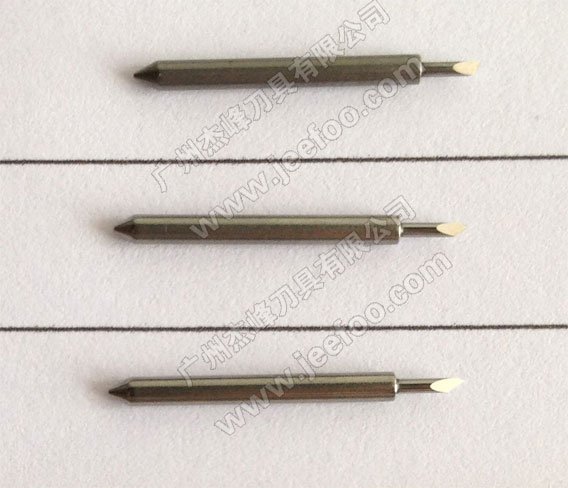
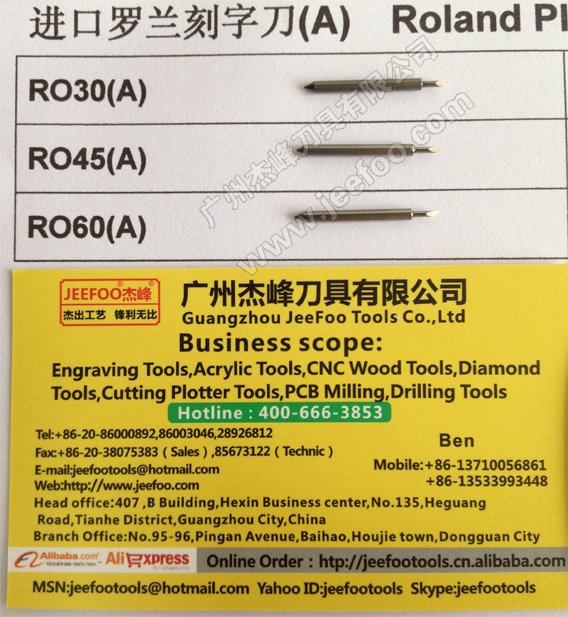
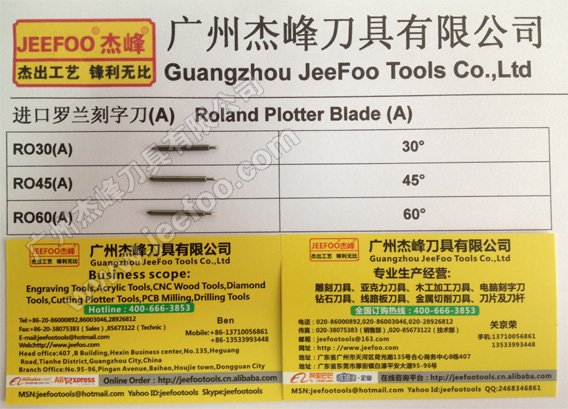
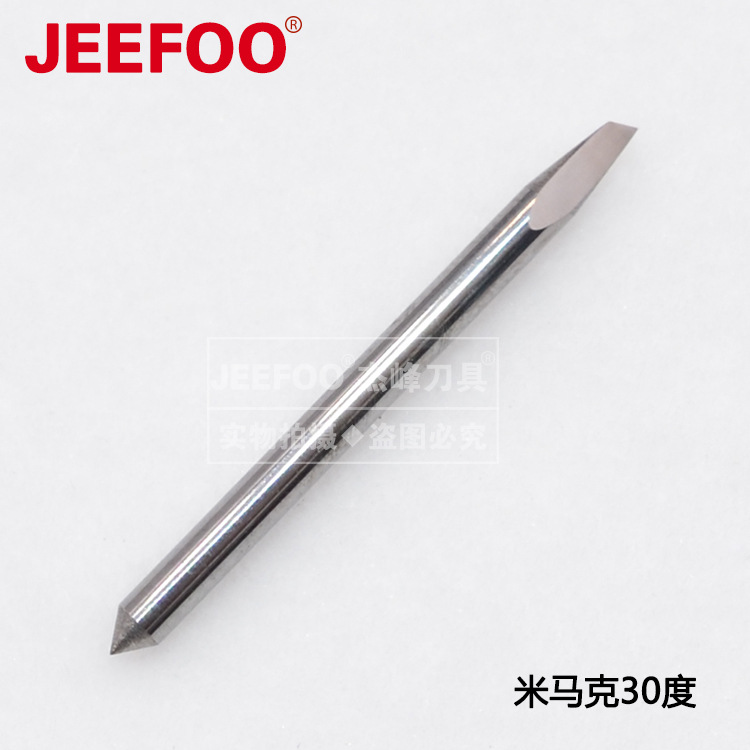
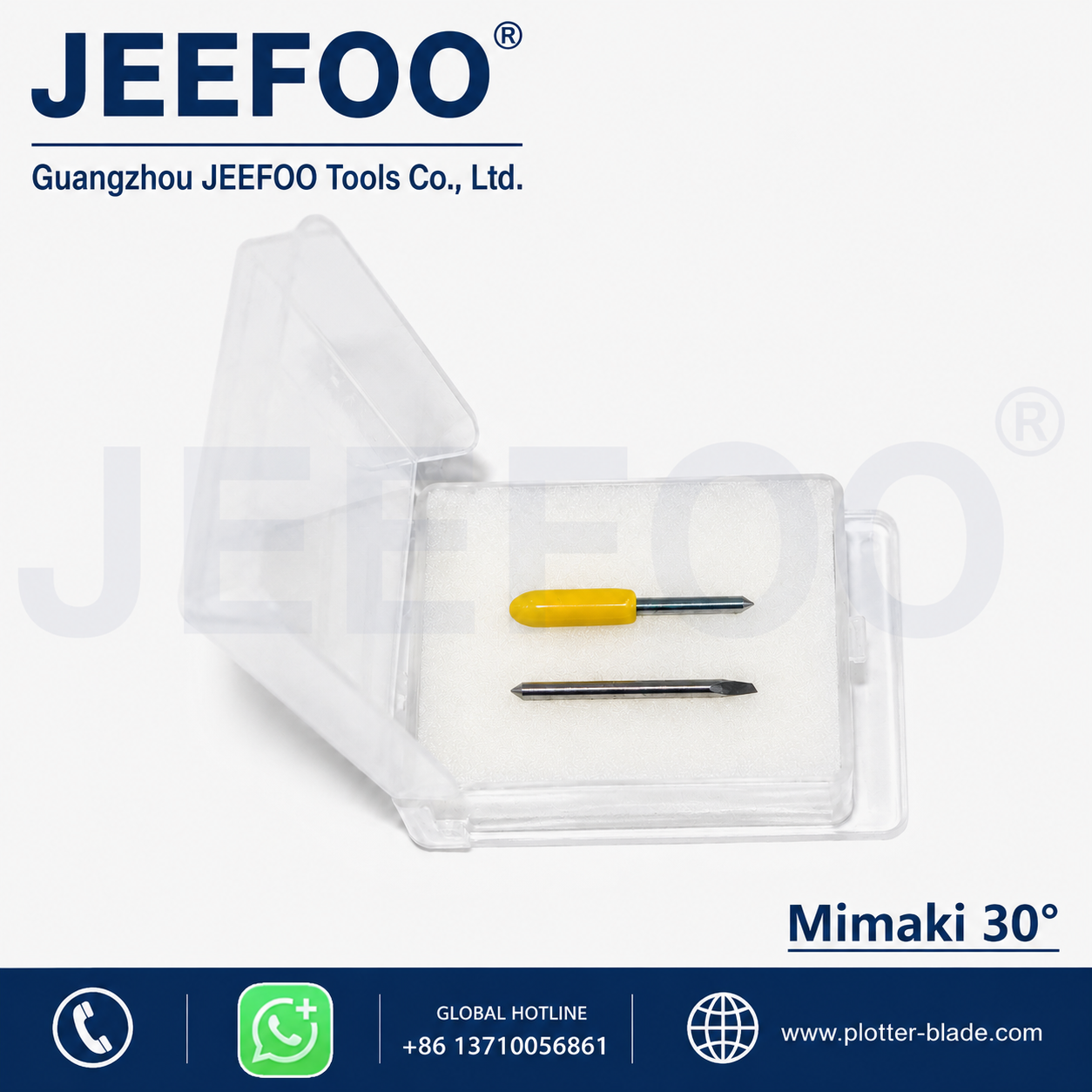
A系列罗兰刻字刀片是本页对一组30°、45°、60°替换刀片的商品称呼。原页面标注直径2 mm、总长23 mm、偏心距0.25 mm、最大切割厚度0.25 mm,并称采用整体硬质合金。上述规格为供应商页面数据;实际适配性应按设备型号、刀座结构和实物尺寸验证。
文章目录
A系列罗兰刻字刀片页面参数
- 可选刀尖角度:30°、45°、60°
- 页面标注最大切割厚度:0.25 mm
- 页面标注刀杆直径:2 mm
- 页面标注总长:23 mm
- 页面标注偏心距:0.25 mm
- 页面标注成分:89%–90%碳化钨、10%–11%钴
- 页面标注硬度:91.5 HRA
- 页面标注抗弯强度:4000–4200 N/mm²
材料比例、硬度和强度属于原页面供应商声明,并非本页独立检测结果。若采购量较大,应要求供应商提供对应批次的尺寸图、检验记录或样品。
与Roland官方刀片资料的关系
Roland DGA的官方切割配件页面按零件号、角度和偏移列出刀片,例如45°/.25偏移通用刀片、60°/.10偏移厚材料刀片等。该官方资料说明同一品牌设备也会按用途和偏移区分刀片,不能仅以角度或“罗兰”名称推断兼容性。本页没有提供官方零件号,因此不把A系列替换刀片描述成Roland原厂产品。
兼容性核对清单
- 记录设备铭牌上的完整型号。
- 识别当前刀座型号与锁紧结构。
- 测量现用刀片的直径、总长、安装深度和刀尖方向。
- 查阅设备手册支持的刀片角度与偏移补偿。
- 确认材料厚度、表面膜层、胶黏剂和图形细节。
- 尺寸不明确时,先要求尺寸图或测试样品。
其他相关规格可查看罗兰刻字刀系列。站内同系列链接用于比较商品,不代替尺寸与机型确认。
安装与试切
关闭设备,清洁刀座并检查刀尖。伸出量只需刚好切穿面材,尽量不伤底纸。用包含小字、圆形、方形和尖角的测试图,从保守刀压和速度开始,一次只调整一个参数。记录切口连续性、转角闭合、排废和底纸压痕。
常见问题
A系列罗兰刻字刀片是否为Roland原厂产品?
原页面未提供官方Roland零件号或原产证明,因此应按供应商标注的替换刀片理解。
30°、45°和60°应如何选择?
角度只是一个因素,还应结合设备、刀座、材料厚度、膜层和细节要求试切。不能用一个角度覆盖所有材料。
页面标注0.25 mm是否保证适用于所有材料?
不保证。该值属于页面标注,实际结果受材料结构、刀尖状态、刀座和设备参数影响。
A-Series Roland-Style Blade: English Summary
The A-series Roland-style blade on this page is a supplier-labelled replacement product offered in 30, 45 and 60-degree tip angles. Page-supplied figures state a 2 mm shank diameter, 23 mm overall length, 0.25 mm offset and maximum cutting thickness of 0.25 mm. The listing also states solid carbide construction, 89–90% tungsten carbide, 10–11% cobalt, 91.5 HRA hardness and flexural strength of 4000–4200 N/mm². These are seller-provided values, not independent certification.
Official reference and product identity
Roland DGA’s official accessories information lists blades by part number, angle, offset and intended application. Examples include 45-degree/.25-offset all-purpose blades and other angle/offset combinations. That reference demonstrates why the precise part number and offset matter. It does not establish that the A-series product on this page is made by Roland or that it fits every Roland cutter.
How to verify compatibility
Read the complete machine model from the equipment label and identify the installed holder. Measure the existing blade’s shank diameter, total length and seating depth. Compare the measurements with a seller drawing or sample. Check the machine manual for supported blade geometry and offset values. Do not force a 2 mm blade into a smaller holder or operate a blade that remains loose.
Angle selection
A lower or higher angle does not automatically mean better performance. Media thickness, hardness, laminate layers, adhesive, character size and weeding requirements affect the choice. Use the exact intended media for evaluation. A controlled test is more reliable than choosing solely from a generic angle rule.
Test-cut workflow
Clean the holder, inspect the tip and minimize blade exposure. Use a pattern with fine text, a square, a circle and acute corners. Begin with conservative force and speed. A satisfactory result separates the face material, preserves most of the liner, closes corners and weeds without lifting the graphic. Change only one setting at a time and record successful values.
Troubleshooting and maintenance
Dragged film may indicate a chipped tip, excessive exposure or holder resistance. Incomplete cuts may come from insufficient force, an uneven sheet, poor seating or a worn blade. Distorted corners require checking speed and offset compensation. Protect spare blades from impact and adhesive residue and repeat the test after changing media, angle, blade or holder.
Batch acceptance record
Before approving a shipment, create a simple record for each batch. Note the seller model, stated angle, measured shank diameter, measured overall length, packaging quantity and any visible tip damage. Install one sample in the confirmed holder and run the same reference pattern on a known vinyl. Record force, speed, blade exposure, offset setting, weeding result and liner condition. Repeat the test with a second sample if dimensions vary. This record does not certify material composition, but it provides practical evidence that the A-series Roland-style replacement fits the intended setup and performs consistently under documented conditions.
When to stop using a blade
Replace the blade when the tip is chipped, bent or visibly worn, when clean cuts require a sustained increase in force, or when repeated setup checks cannot correct rough edges and corner errors. Do not continue testing a blade that binds in the holder. A damaged or mismatched blade can mark the liner, reduce detail quality and place unnecessary load on the holder.
Verifiable conclusion
This page can report its original supplier-listed dimensions and material figures and compare its terminology with an official Roland source. It cannot establish original-equipment identity, independent material certification or universal compatibility. Actual dimensions, the exact holder and repeatable test results remain the decisive evidence.


发表回复
要发表评论,您必须先登录。